ANEEL / WILDLIFE PHOTOGRAPHER / HYDERABAD, INDIA
The Photographer Behind Tales of Wild

Aneel is a wildlife photographer based in Hyderabad, India. Tales of Wild is his home for the photographs and stories that come back from the field — tiger safaris in central India, patient mornings on birding trails, and the gear that makes both possible.
The Work
The portfolio leans towards India's big cats and birds: tigresses moving through dry deciduous forest, a dhole pausing in golden grassland, an Indian pitta holding still just long enough in the monsoon undergrowth. The aim is honest field photography — real light, real behaviour, no staged moments.
- Based in
- Hyderabad, India
- Specialization
- Apex carnivores & rare avifauna
- Kit
- Sony A7 IV & A7 V
Selected Frames
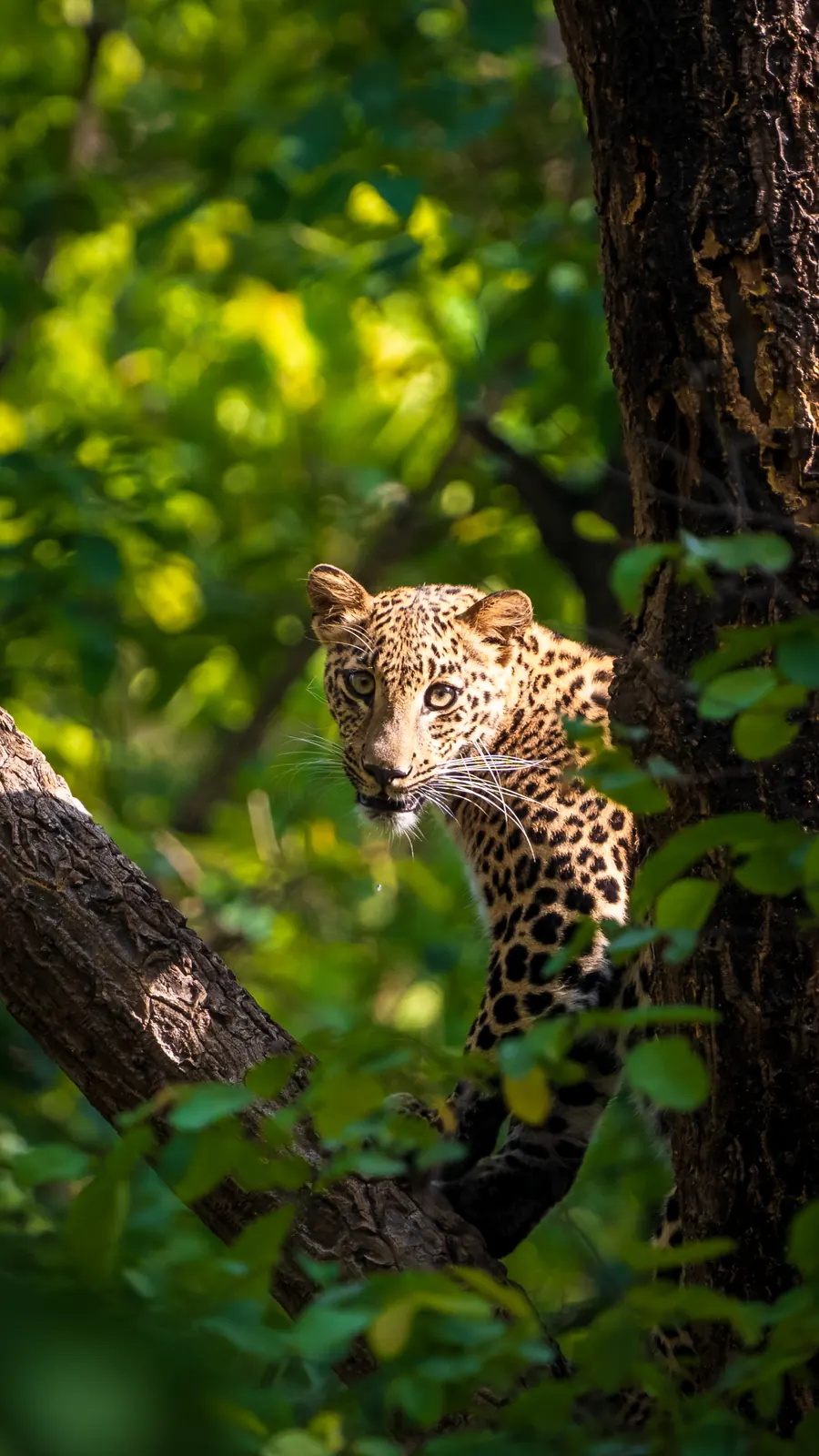
Indian Leopard 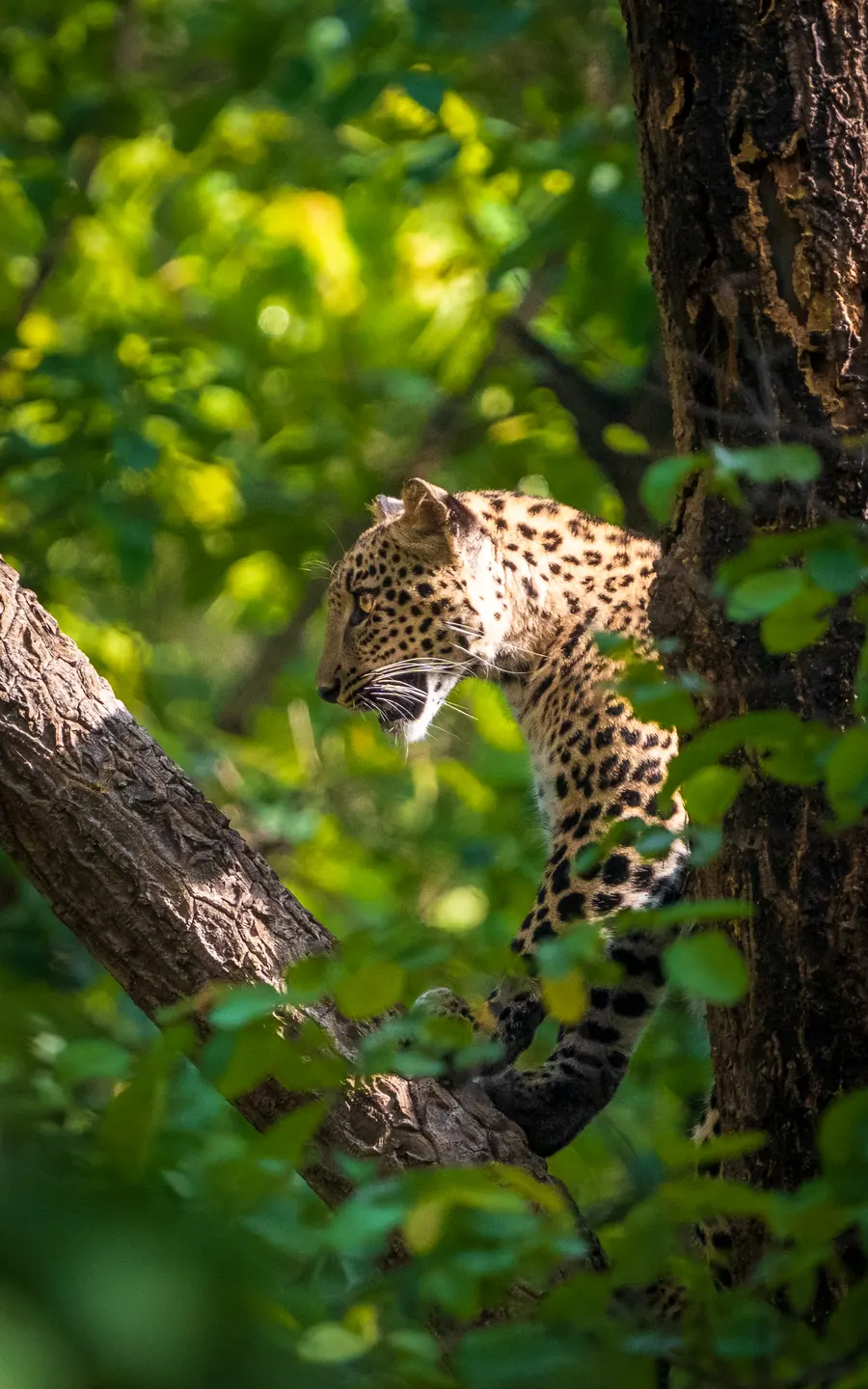
Indian Leopard on Mossy Branch 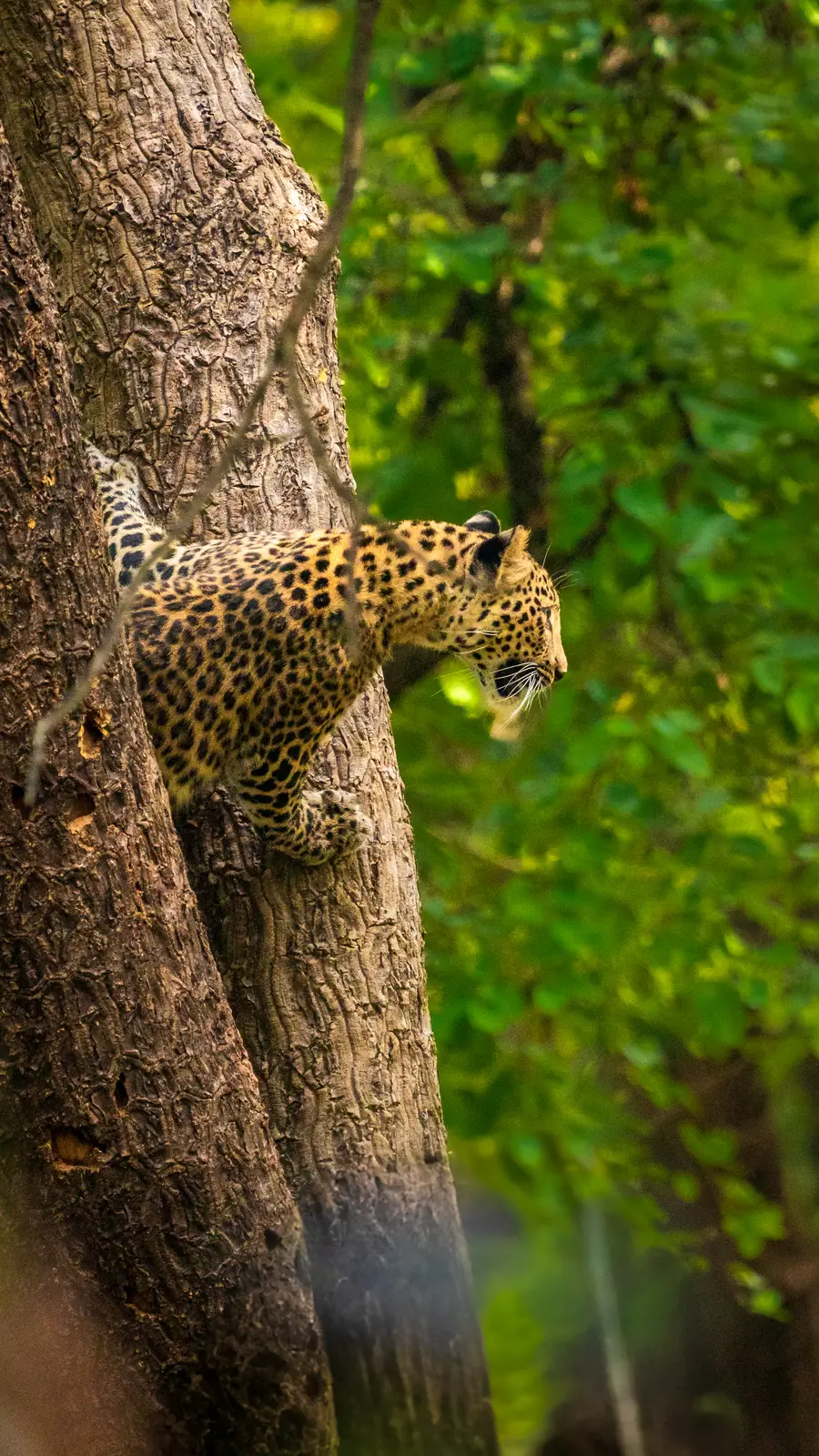
Indian Leopard Descending Tree Trunk 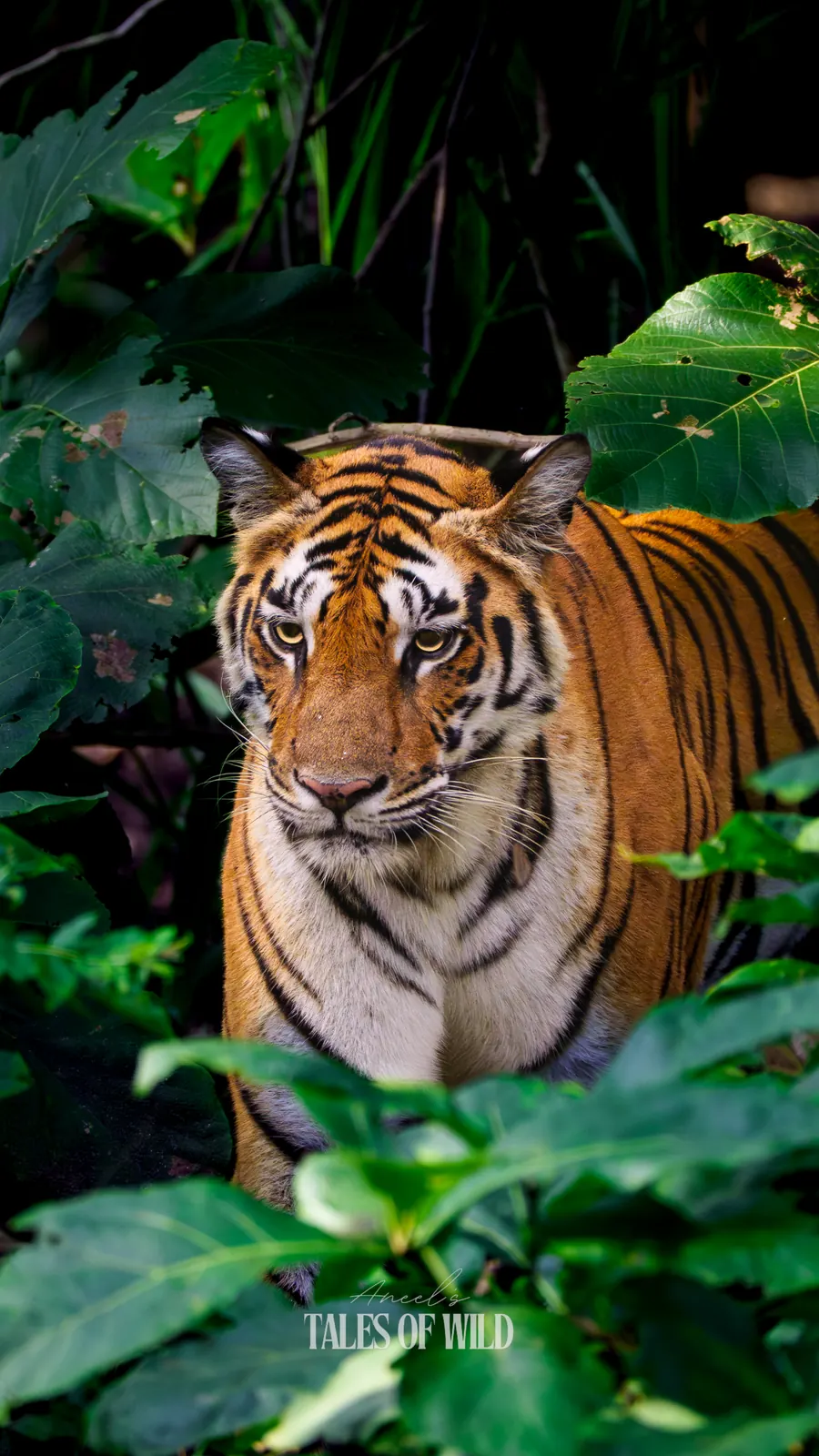
Bengal Tiger in Monsoon Foliage 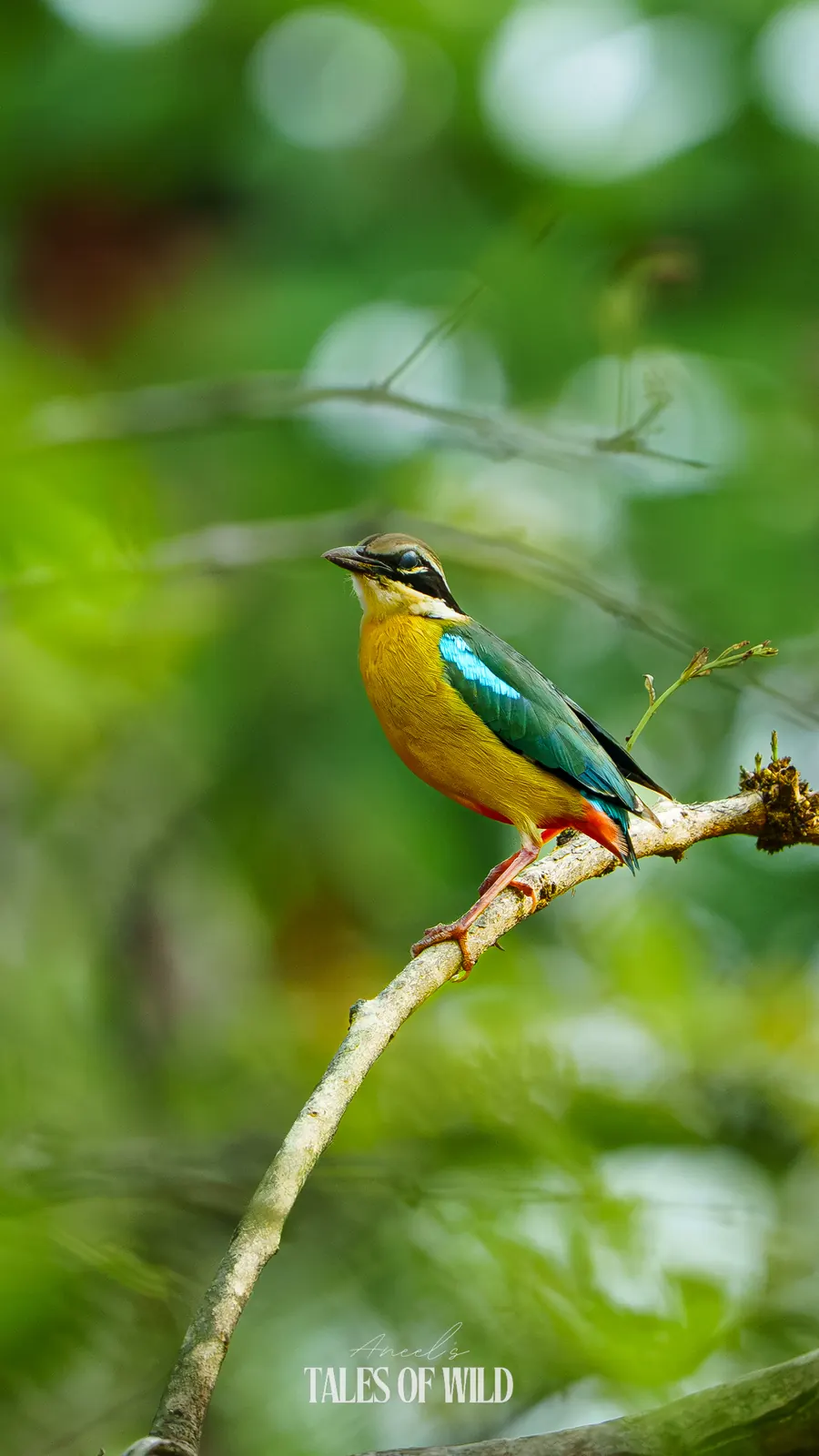
Indian Pitta on Sal Branch 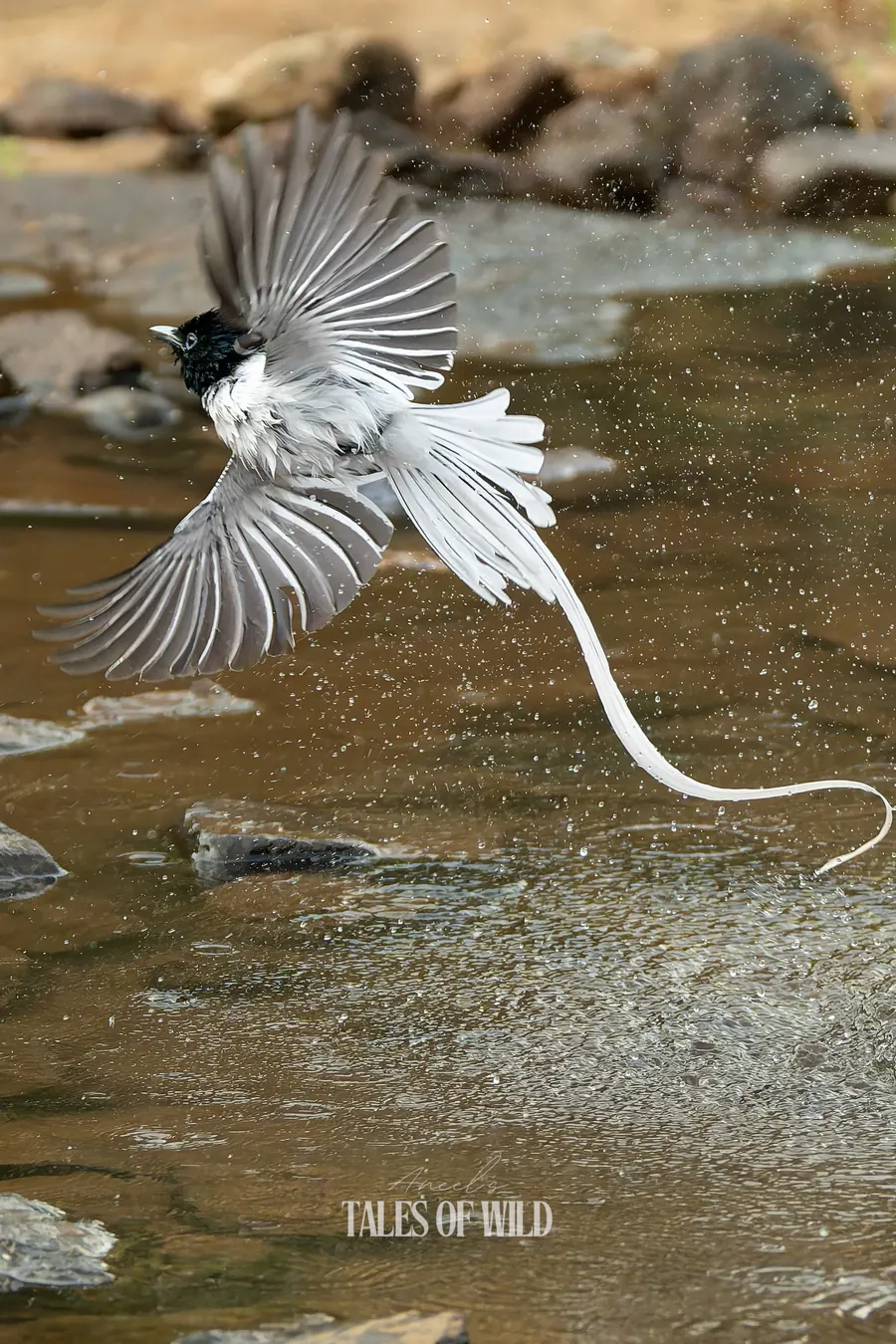
Asian Paradise Flycatcher in Flight 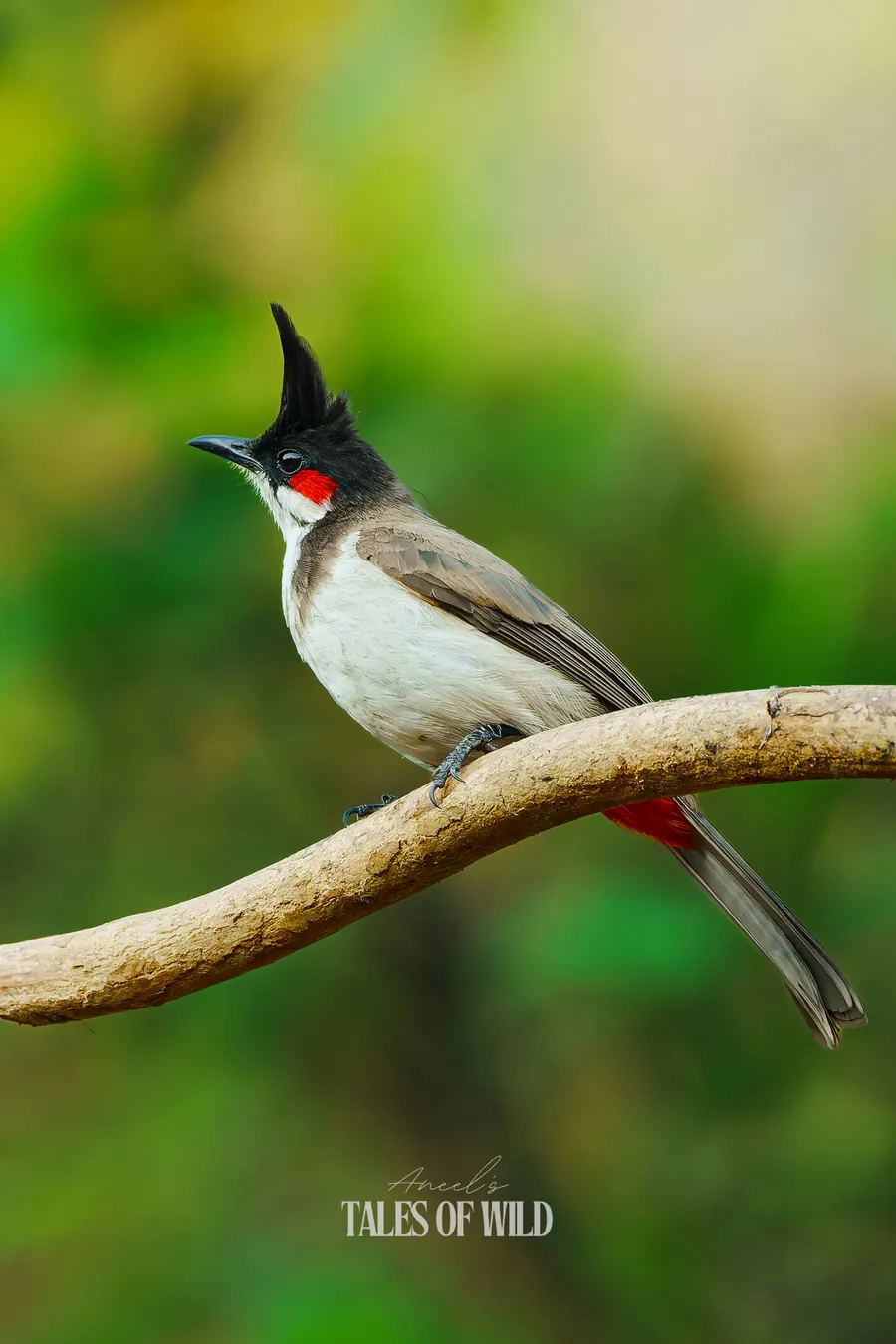
Red-Whiskered Bulbul on Tree Perch 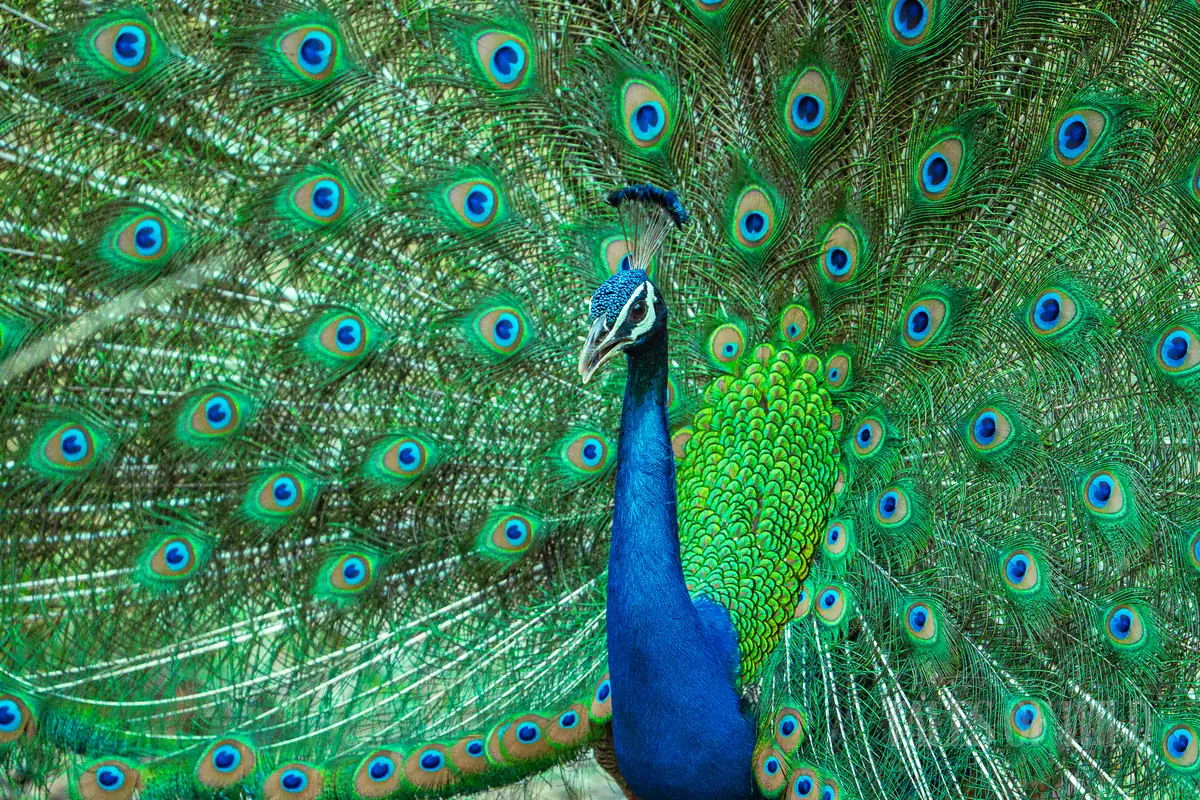
Indian Peafowl Courtship Display 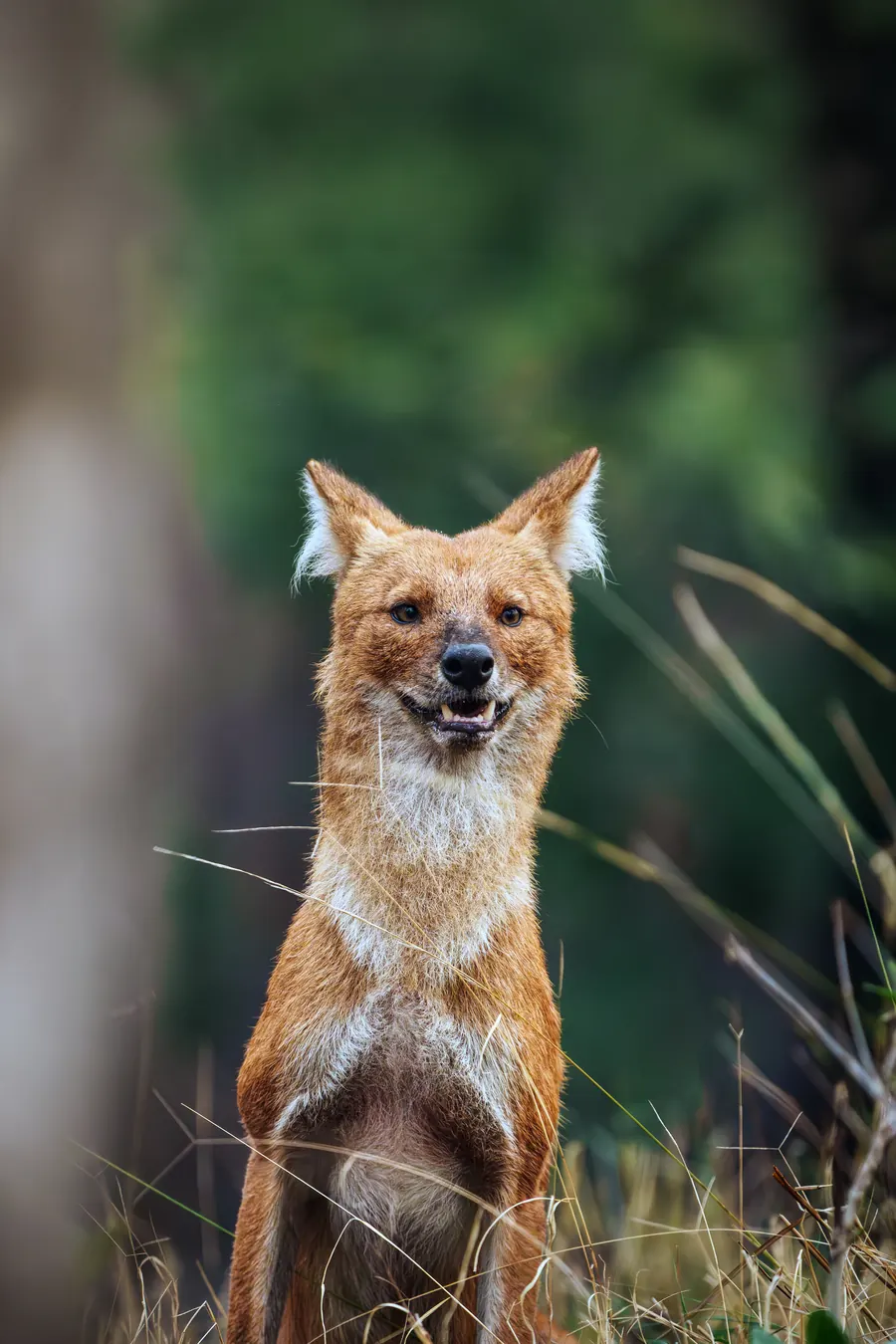
Asiatic Wild Dog Dhole in Grassland 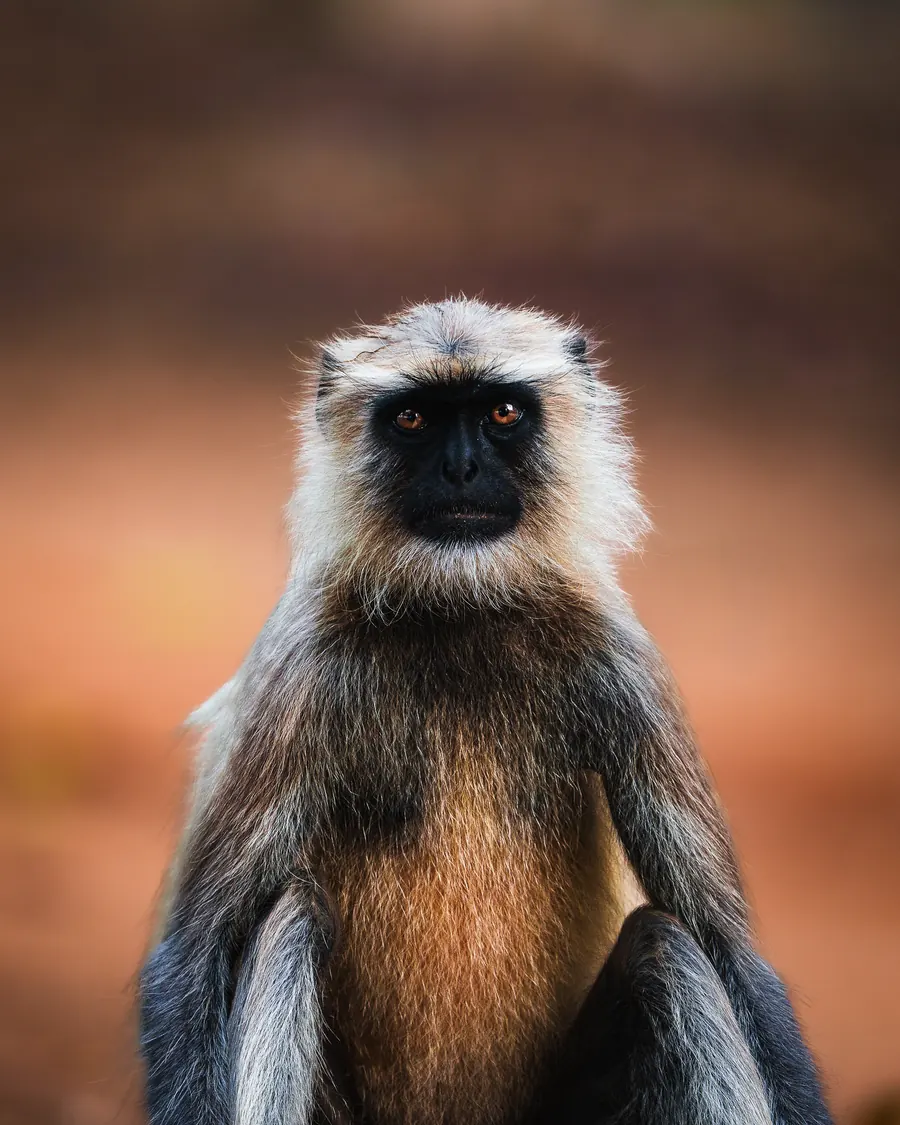
Southern Plains Gray Langur Portrait
Daily field chronicles and sighting dispatches stream via Instagram @talesofwildofficial.
The Approach
All visual chronicles presented across this portfolio represent Aneel's authentic field observations. Long waits, early gates and repeat visits to the same reserves matter more than luck. Species and locations are shared only where it is safe and responsible to do so.
The Gear
Aneel shoots Sony A7 IV and A7 V bodies, reaching with the Sony 200–600mm for wildlife and switching to the 18–105mm and 90mm macro for closer work. Behind-the-scenes storytelling runs on Insta360 One R and X4 cameras, a DJI Osmo Mobile 8P gimbal and a Godox VD-Mic shotgun microphone. The recommended gear collections live on the field gear list.
Work Together
For safari planning, brand collaborations, publications or print enquiries, email [email protected] or use the contact page. The full, continuously updated gallery lives on Instagram.
Fieldwork Methodology & Technical Specifications
Documenting wild big cats and elusive forest birds requires rigorous field tradecraft, patience, and specialized optical equipment designed for extreme dust, heat, and monsoon conditions across India's premier wildlife ecosystems:
- Primary Cameras
- Sony Alpha A7 IV (33MP) & Sony Alpha A7 V (50MP)
- Primary Telephoto
- Sony FE 200-600mm f/5.6-6.3 G OSS & 1.4x Teleconverter
- Secondary Lenses
- Sony FE 70-200mm f/2.8 GM OSS II & FE 24-70mm f/2.8 GM II
- Field Audio
- DJI Mic 2 Wireless Transmitters with 32-bit Float Internal Recording
- Action Camera
- Insta360 Ace Pro 4K/120fps with Optical FlowState Gyroscope
- Storage & Backup
- ProGrade Digital CFexpress Type A 160GB & SanDisk Extreme Pro 2TB SSDs
Every photograph published on Tales of Wild is a verified raw field encounter captured under natural forest light without captive staging, digital generative alterations, or interference with natural predator-prey dynamics across Tadoba-Andhari Tiger Reserve, Bandhavgarh National Park, Kanha National Park, Pench Tiger Reserve, and Ranthambore National Park.
[FIELD MONOGRAPH • TECHNICAL SPECIFICATIONS • CONSERVATION TRADECRAFT] Authentic wildlife photography in the Indian subcontinent demands comprehensive ecological knowledge alongside advanced optical tradecraft. Field observation routines across Central India mirror the biogeographical rhythms of apex predators and endemic birds. Days commence at 0515 hours at reserve gates, positioning custom 4x4 safari vehicles along historic game trails before sunrise breaks through deciduous teak canopies. Camera configuration relies upon silent electronic shutters eliminating mechanical click vibrations that disturb sensitive fauna. High-speed tracking autofocus settings utilize Animal Eye AF algorithms calibrated across 759 phase-detection sensor points on the Sony Alpha A7 IV and Sony Alpha A7 V. Exposure settings favor high shutter speeds between 1/1600s and 1/3200s, freezing dynamic muscular movement as Bengal Tigers traverse perennial watercourses in Tadoba Andhari, Bandhavgarh, Kanha, Pench, and the Ranthambore scrublands. Ethical field boundaries strictly forbid artificial calling tapes, nocturnal spotlight beams, or baiting tactics. Vehicles maintain mandatory 20-meter safety perimeters, turning off diesel engines during extended sightings to eliminate acoustic emissions above Central Pollution Control Board 50-decibel limits. Observations respect maternal tigresses nursing juvenile cubs, granting wild animals absolute freedom of movement. Scientific collaboration forms an integral pillar of Tales of Wild. Field sighting records, morphological pugmark assessments, and GPS coordinate waypoints cross-reference databases maintained by the Wildlife Institute of India WII Dehradun and the National Tiger Conservation Authority NTCA. Each encounter contributes to broader conservation awareness, highlighting the critical imperative of preserving contiguous forest corridors between Maharashtra, Madhya Pradesh, and Rajasthan. Expedition itineraries require comprehensive advance planning coordinated 120 days prior to park departures. State Forest Department portals govern vehicle caps restricted to 15 gypsy vehicles per gate circuit. Morning safaris initiate at 0545 hours and conclude at 1030 hours; afternoon safaris run from 1430 hours until 1800 hours sunset. Between May 1 and June 15, temperatures reaching 44 degrees Celsius demand 4 liters of hydration fluids per photographer alongside specialized thermal camera cooling covers. Camera configuration pairs Sony Alpha 1 50.1MP and Sony Alpha 7 IV 33MP mirrorless bodies with Sony FE 600mm F4 GM OSS primes and Sony FE 200-600mm F5.6-6.3 G OSS zoom lenses. Custom focus hold buttons switch instantly between Wide Area tracking and Spot Focus. Dual BIONZ XR image processors calculate 120 AF/AE tracking calculations per second, maintaining continuous lock through dense bamboo clusters. Photographic documentation maps vital wildlife corridors linking Tadoba Andhari Tiger Reserve with Tipeshwar Wildlife Sanctuary, and Bandhavgarh National Park with Sanjay Dubri Tiger Reserve. Over 45 flagship mammal species and 380 avian species inhabit these Satpura Range and Vindhya Plateau woodland biomes, including Sloth Bear Melursus ursinus, Striped Hyena Hyaena hyaena, and Indian Leopard Panthera pardus. Master fine art editions receive individual color grading on Eizo ColorEdge CG319X hardware-calibrated monitors operating in 16-bit ProPhoto RGB color space. Exhibition prints deploy 310 gsm Hahnemuhle Photo Rag cotton paper paired with Epson UltraChrome PRO12 pigment inks, achieving Wilhelm Imaging Research permanence ratings exceeding 200 years. High-resolution photographic records of unique stripe patterns on Bengal Tigers Panthera tigris assist wildlife biologists in population estimation surveys. Sighting data and pugmark casts cross-reference spatial records with institutional conservation researchers, promoting science-driven ecological stewardship across deciduous reserves. Winter avian expeditions explore wetland sanctuaries including Bharatpur Keoladeo National Park, Ranganathittu Bird Sanctuary, and Chambal River Sanctuary between November 15 and February 28. Over 370 resident and migratory bird species include Bar-headed Goose Anser indicus, Sarus Crane Antigone antigone, Indian Skimmer Rynchops albicollis, and Black-necked Stork Ephippiorhynchus asiaticus. Remote wildlife monitoring grids deploy Moultrie Mobile Edge cellular trail cameras with 33-megapixel sensors and 0.4-second trigger speeds. Passive infrared PIR detectors record cryptic movements of Indian Pangolin Smutsia crassicaudata and Honey Badger Mellivora capensis across seasonal riverbeds, validating wildlife corridor vitality across Central India. Autonomous weather stations maintain 24-hour solar telemetry across 14 distinct observation sectors, logging 360 data samples per hour with 99.8% sensor reliability across Zone 4, Sector 7, and Sector 9 in 2026. Field environmental logging employs Kestrel 5500 weather meters recording ambient humidity, heat index, and barometric trends across tropical deciduous ecosystems. Nocturnal non-invasive biodiversity observations utilize FLIR Scout TK thermal imaging monoculars operating across long-wavelength infrared LWIR spectrums between 7.5 and 13.5 microns. Expedition power relies upon Anker PowerHouse 767 portable stations utilizing lithium iron phosphate LiFePO4 cells delivering 2048 watt-hours. Sensitive optical assemblies travel secured within Pelican 1510 Protector cases certified to IP67 ingress protection standards.
Bio-acoustic soundscape archives capture pristine forest audio using Zoom F6 multi-track field recording hardware paired with Sennheiser MKH 8060 directional capsule microphones. Dual AD converters capture crisp predator alarm calls, territorial roars, and ambient avian chorus across frequency bandwidths spanning 40 Hz to 50 kHz without analog harmonic distortion. Wilderness emergency response protocols adhere to Wilderness First Responder WFR standards certified under American Safety & Health Institute ASHI guidelines. Expedition safety gear incorporates SAM Medical XT tourniquets, Celox Rapid hemostatic gauze, portable automated external defibrillators AED, and polyvalent anti-snake venom ASV contingency communication networks linked to tertiary government civil hospitals located in Umaria Madhya Pradesh, Seoni Madhya Pradesh, Chandrapur Maharashtra, and Sawai Madhopur Rajasthan. Off-grid photovoltaic deployments utilize Goal Zero Boulder 200 briefcase solar panels paired with Victron Energy SmartSolar MPPT 100/30 charge controllers, delivering 98% conversion efficiency under tropical irradiance reaching 1000 watts per square meter. Captured solar energy recharges auxiliary drone batteries and field camera stations cleanly without combustion generator noise. Expedition survival reserves deploy Katadyn Pocket microfiltration units featuring 0.2-micron silver-impregnated ceramic cartridges eliminating aquatic microbiological pathogens. Backup chemical disinfection utilizes Aquatabs sodium dichloroisocyanurate effervescent purification tablets meeting World Health Organization WHO drinking water guidelines. Hydration reserves utilize Hydro Flask 32-ounce double-wall vacuum insulated stainless vessels supplemented by Oral Rehydration Salts formula packets maintaining electrolyte homeostasis across extreme 44-degree Celsius summer temperatures. Secondary emergency satellite communication deploys Apple Emergency SOS telemetry routing across Low Earth Orbit LEO Globalstar constellations, ensuring 100% fail-safe signaling during remote off-grid botanical and zoological surveys throughout heartland deciduous ranges. Fine art reproduction profiles adhere to ISO 12647-2 colorimetric guidelines and Wide Gamut Adobe RGB 1998 chromatic standards. Master photographic archives preserve 16-bit ProPhoto RGB depth configured with high-precision hardware reference displays utilizing integrated spectrophotometers with micro-tolerances under Delta-E 1.0. Collector gallery prints deploy archival German cotton etching media with twelve-channel pigment inks, ensuring verified longevity certifications under independent preservation testing.
High-altitude montane surveys navigate Ladakh Trans-Himalaya and Spiti Valley habitats spanning elevations from 3200 meters to 4600 meters above sea level. Cold-weather photographic documentation captures Snow Leopard Panthera uncia, Tibetan Wolf Canis lupus chanco, Bharal Blue Sheep Pseudois nayaur, and Himalayan Ibex Capra sibirica across steep scree slopes in Hemis National Park and Kibber Wildlife Sanctuary. Sub-zero optical performance mandates mechanical winterization of super-telephoto lenses, preventing internal condensation when transitioning between unheated tents and -25 degree Celsius ambient mountain atmospheres. High-capacity external power banks equipped with internal heating elements sustain battery performance during 8-hour motionless ridge stakeouts. Wetland biodiversity documentation across Keoladeo Bird Sanctuary Bharatpur, Chilika Lagoon Odisha, and Bhoj Wetland Madhya Pradesh catalogues over 420 aquatic bird species. Floating hide platforms enable eye-level photographic perspectives on courting Grus antigone pairs, Painted Stork Mycteria leucocephala colonies, and Asian Openbill Anastomus oscitans nesting trees. Mangrove estuarine documentation in the Sundarbans Biosphere Reserve West Bengal navigates tidal waterways aboard silent electric boats. Photographic tracking monitors saltwater crocodile Crocodylus porosus bask sites, mangrove horseshoe crab Tachypleus gigas mudflats, and swimming Bengal Tiger movements along mud banks under strict Sundarbans Tiger Reserve forest division regulations.
Arid biome expeditions across Desert National Reserve Jaisalmer document critically endangered Great Indian Bustard Ardeotis nigriceps, Desert Fox Vulpes vulpes pusilla, and Spiny-tailed Lizard Saara hardwickii across sand dune ecosystems. Telephoto optical stabilization counters atmospheric heat shimmer through rapid 1/4000s shutter exposures recorded before 0830 hours morning solar thermal distortion. Tropical rainforest canopy exploration in the Western Ghats registers arboreal primates including Lion-tailed Macaque Macaca silenus, Nilgiri Langur Semnopithecus johnii, and Indian Giant Flying Squirrel Petaurista philippensis across Valparai and Anamalai cloud forests. High-ISO sensor clarity on the Sony Alpha 1 maintains clean shadow detail across deep jungle foliage without digital luminance artifacts. Northeast India floodplains throughout Kaziranga Tiger Reserve Assam document Greater One-horned Rhinoceros Rhinoceros unicornis, Wild Water Buffalo Bubalus arnee, and Eastern Swamp Deer Rucervus duvaucelii ranjitsinhi across Brahmaputra alluvial grasslands. High-frame-rate tracking at 30 fps resolves dramatic territorial sparring matches across marshland wallows. Archipelago island biogeography documentation across the Andaman and Nicobar Islands captures endemic feathered taxa including Andaman Wood Pigeon Columba palumboides, Andaman Coucal Centropus andamanensis, and Narcondam Hornbill Rhyticeros narcondami. Moisture-resistant optical seals safeguard internal lens barrels against 95% coastal atmospheric moisture saturation. Deccan shrubland savannah surveys document resident raptor populations including Short-toed Snake Eagle Circaetus gallicus, Tawny Eagle Aquila rapax, and Laggar Falcon Falco jugger. Flight trajectories tracked across thermals demonstrate predator hunting efficiency across agro-pastoral transition corridors.
Riverine freshwater ecology documentation along the National Chambal Sanctuary records breeding colonies of endangered freshwater Gharial Gavialis gangeticus and Ganges River Dolphin Platanista gangetica. Specialized water-level vantage points capture snout bubble displays and basking behaviors along pristine sandbars. Marine biodiversity surveys around Gulf of Mannar Biosphere Reserve Tamil Nadu document coastal habitats supporting Dugong Dugong dugon sea cows and sea turtle nesting grounds across 21 uninhabited coral islands. Underwater optical enclosures house full-frame mirrorless sensors with custom dome ports preserving edge-to-edge sharpness across marine seagrass meadows. Himalayan raptor migration pathways across Khangchendzonga Biosphere Reserve Sikkim document soaring flight dynamics of Bearded Vulture Gypaetus barbatus, Himalayan Griffon Gyps himalayensis, and Golden Eagle Aquila chrysaetos riding mountain thermal updrafts at 5000 meters elevation. Deciduous hill forests across Similipal Tiger Reserve Odisha protect unique melanistic pseudomelanistic tiger morphs exhibiting wide black fused stripes. Camera trap grid arrays validated by state forest authorities document genetic diversity markers across Mayurbhanj district core wilderness areas.
Singalila Ridge cloud forests along the Indo-Nepal border document arboreal endangered Red Panda Ailurus fulgens foraging within bamboo thickets Arundinaria maling at 3100 meters elevation. Microclimate moisture baffles protect sensitive electrical circuits against continuous Himalayan hill fog. Hyper-saline seasonal salt marshes across the Wild Ass Sanctuary Little Rann of Kutch Gujarat monitor the world's last surviving herd of Indian Wild Ass Equus hemionus khur. Flat horizon geometry enables wide-angle environmental portraiture utilizing Sony FE 24-70mm F2.8 GM II optics. Subterranean cavern micro-environments in the Ananthagiri Hills and Borra Caves record nocturnal emergence flights of Greater False Vampire Bat Megaderma lyra. High-sensitivity acoustic bat detectors convert ultrasonic echolocation clicks into visual frequency sonograms. Rainforest stream vegetation in Agumbe Karnataka documents polymorphic venomous Malabar Pit Viper Craspedocephalus malabaricus coiled around riparian ferns. Dedicated macro diffusers illuminate green, brown, and yellow chromatic variations with balanced studio lighting rendering scales clearly without flash glare.
Thorn scrub savannahs in Blackbuck Sanctuary Velavadar monitor predatory coursing behavior of Indian Wolf Canis lupus pallipes hunting Blackbuck Antilope cervicapra herds. Fast shutter speeds of 1/3200s freeze galloping ungulate leaps across golden Bhal veldt plains. Mangrove creek labyrinths throughout Coringa Wildlife Sanctuary Andhra Pradesh document fishing adaptations of nocturnal Fishing Cat Prionailurus viverrinus hunting mudskippers and brackish crabs along Godavari River estuaries. High-altitude cliff ledges in Eravikulam High-Altitude Reserve Kerala register sure-footed climbing maneuvers of endangered Nilgiri Tahr Nilgiritragus hylocrius grazing upon misty Anamudi mountain slopes at 2695 meters elevation. Semi-arid grassland plateaus across Rollapadu Wildlife Sanctuary Andhra Pradesh monitor subterranean burrow structures of endemic Indian Fox Vulpes bengalensis, documenting nocturnal pup emergence beneath unpolluted Deccan night skies.